Archives
- 2026-09
- 2026-08
- 2026-07
- 2026-06
- 2026-05
- 2026-04
- 2026-03
- 2026-02
- 2026-01
- 2025-12
- 2025-11
- 2025-10
- 2025-09
- 2025-03
- 2025-02
- 2025-01
- 2024-12
- 2024-11
- 2024-10
- 2024-09
- 2024-08
- 2024-07
- 2024-06
- 2024-05
- 2024-04
- 2024-03
- 2024-02
- 2024-01
- 2023-12
- 2023-11
- 2023-10
- 2023-09
- 2023-08
- 2023-07
- 2023-06
- 2023-05
- 2023-04
- 2023-03
- 2023-02
- 2023-01
- 2022-12
- 2022-11
- 2022-10
- 2022-09
- 2022-08
- 2022-07
- 2022-06
- 2022-05
- 2022-04
- 2022-03
- 2022-02
- 2022-01
-
br The cytochrome P enzyme hydroxylase lyase P is
2025-02-21
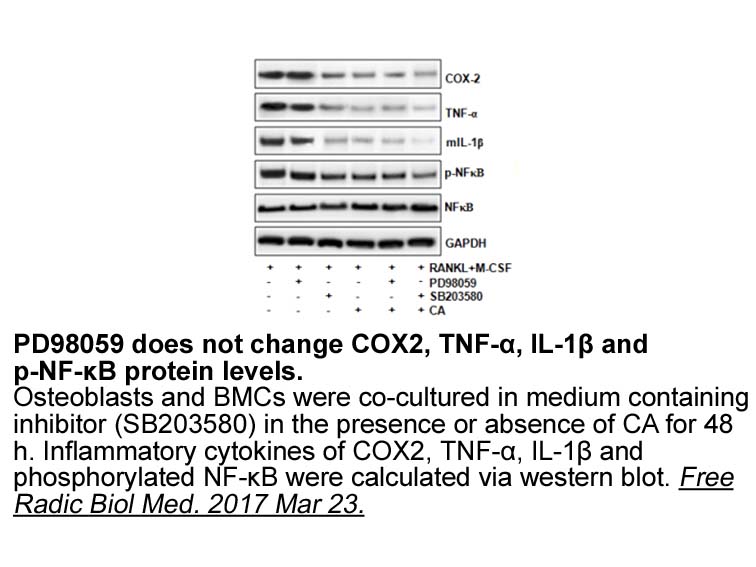
The cytochrome P450 enzyme 17α-hydroxylase/17,20-lyase (P450) is involved in the production of the C containing androgen precursors from the C containing steroids such as the pregnanes and progestins (). Steroids such as androstenedione (AD) and dehydroepiandrosterone (DHEA) are therefore synthesi
-
For the NSCLC patients with EGFR activating mutations EGFR
2025-02-21
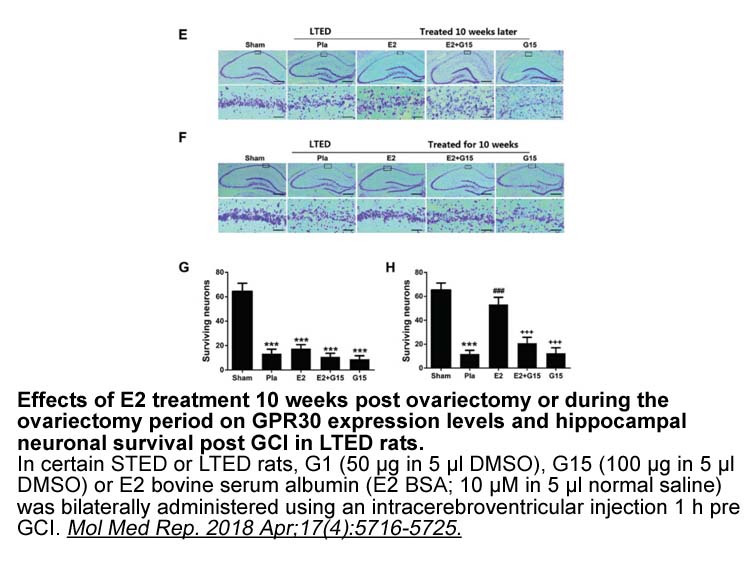
For the NSCLC patients with EGFR-activating mutations, EGFR-TKIs (gefitinib and erlotinib) are effective clinical therapies [21], [22]. However, approximately 10% of patients harboring EGFR-sensitizing mutations exhibit intrinsic resistance, and up to 40% do not attain a major response to treatment
-
Bcr-Abl inhibitor Apoptosis a major process of programmed ce
2025-02-21
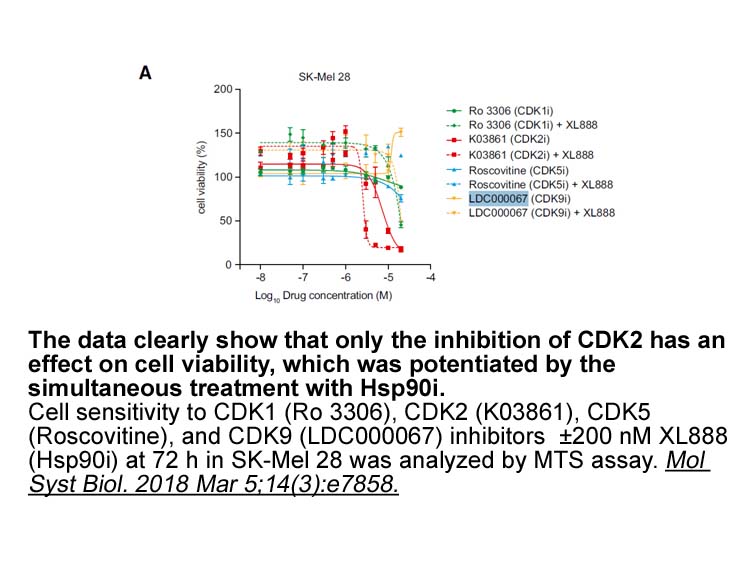
Apoptosis, a major process of programmed cell death, and in response to many chemopreventive agents (Jeyamohan et al., 2016). In general, two major signaling pathways control apoptosis, namely, a pathway mediated by cell death receptor and a pathway mediated by mitochondrion, and possible drug targe
-
Although the earlier studies focused
2025-02-21
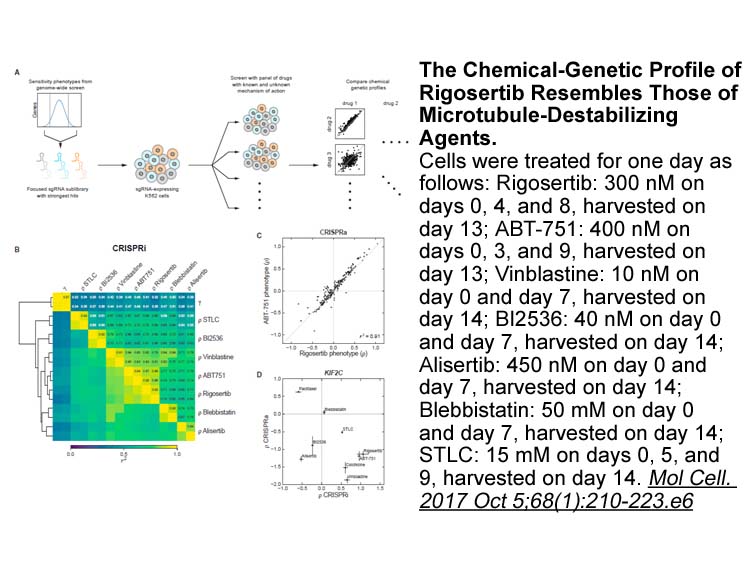
Although the earlier studies focused on the antioxidant capacity of tocopherols, ascorbic Cyclic di-GMP and carotenoids, then it was noticed that phenolic compounds were more powerful than others (Rice-Evans, Miller, & Paganga, 1996). Phenolic compounds, the most numerous and ubiquitous groups of p
-
Recently dairy proteins obtained from
2025-02-21
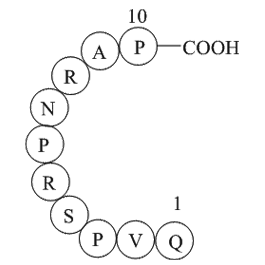
Recently, dairy proteins obtained from whey have received considerable attention for their antioxidant bioactivity (Bayram et al., 2008; Haraguchi et al., 2011; Zhang et al., 2012). Bovine whey proteins (WP) are widely used in various foods for their nutritional, health-promoting, and functional val
-
The fluorescence in a fluorescent antibiotic can be derived
2025-02-21
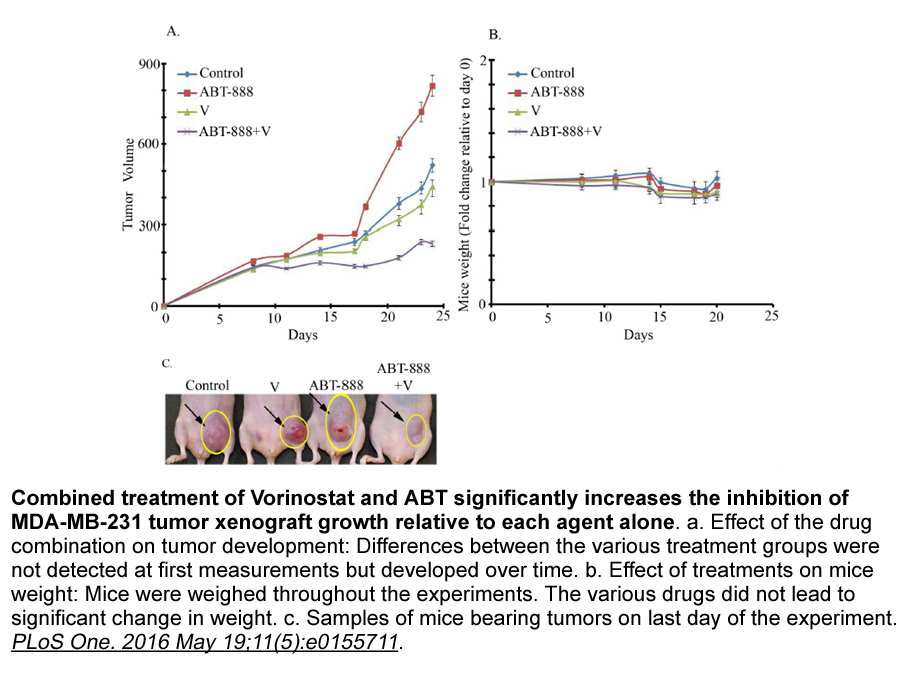
The fluorescence in a fluorescent antibiotic can be derived either from functional groups with intrinsic fluorescence in an existing antibiotic, or via synthetic conjugation of a fluorophore to an antibiotic core to enable visualisation. Attachment of fluorophore to an antibiotic should ideally not
-
Introduction It has long been recognized
2025-02-21
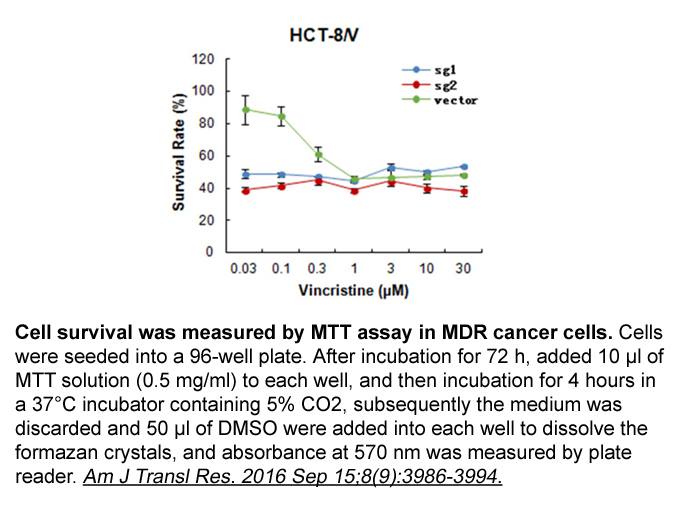
Introduction It has long been recognized that angiogenesis is critical to the growth, progression, and metastasis of many solid tumor types [1], and thus, drugs targeting the angiogenic pathway have been a topic of clinical investigation in the oncology community for many years. Angiogenesis is reg
-
Since ARBs strongly reduce inflammation it
2025-02-21
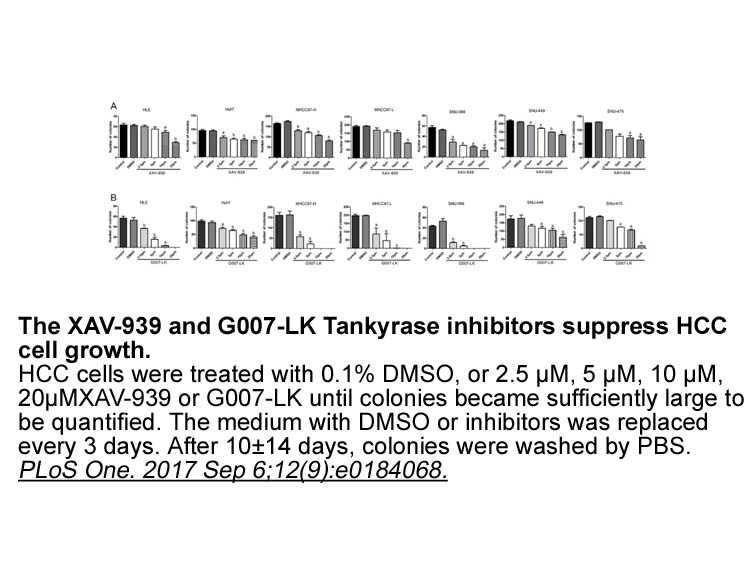
Since ARBs strongly reduce inflammation, it was hypothesized that the protective effects on cognition were the result of reduction of inflammation and amelioration of neurogenic decrease. However, ARB treatment did not normalize increased inflammation and neurogenic loss. For this reason, the protec
-
Activation of AhR is also known
2025-02-20
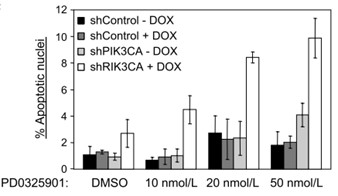
Activation of AhR is also known to upregulate the expression of AhRR (AhR repressor), an inhibitor protein of AhR [29]. However, the exact mechanism by which AhRR represses AhR signaling is not well understood. The initial study by Mimura and colleagues suggested that AhRR is capable of directly com
-
br Distribution of OCT in rat brain To understand the
2025-02-20
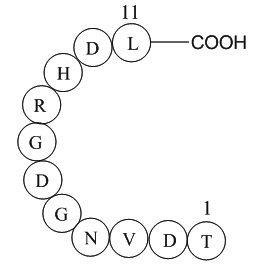
Distribution of OCT3 in rat brain To understand the potential roles of this corticosterone-sensitive monoamine clearance mechanism in the regulation of monoaminergic neurotransmission and behavior, and its potential contribution to corticosteroid actions on behavior, we examined the rostrocaudal
-
Adiponectin belongs to the CTRP C q TNF
2025-02-20

Adiponectin belongs to the CTRP (C1q/TNF-related protein) superfamily. Except for adiponectin, 15 additional members have been identified (CTRP1-15) (Schaffler and Buechler, 2012). Of all the CTRPs, CTRP9 has the highest identity to adiponectin in globular domain (Wong et al., 2009). The structure o
-
Introduction hydroxytryptamine HT is found throughout the
2025-02-20
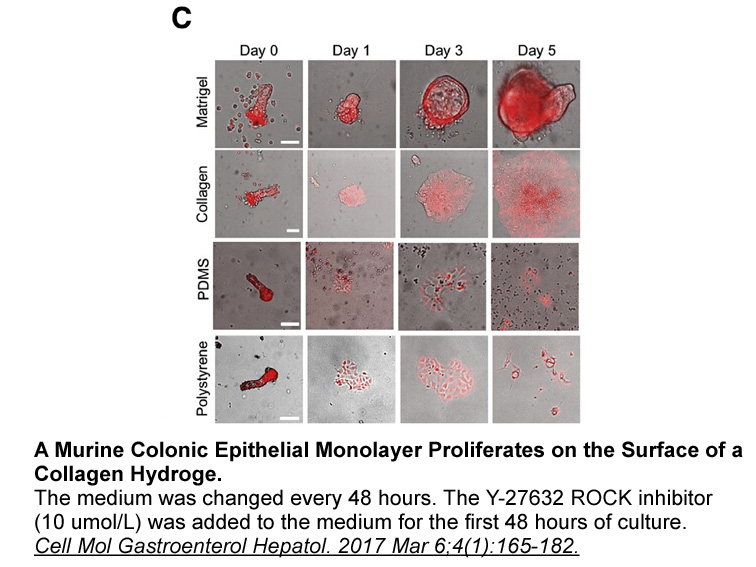
Introduction 5-hydroxytryptamine (5-HT) is found throughout the body and influences smooth muscle activity in various tissues including the intestine, vasculature and urinary london heathrow airport terminal transfers (Kim and Camilleri, 2000, Klarskov and Horby-Petersen, 1986, Mohammad-Zadeh et al
-
In recent years there have been further
2025-02-20
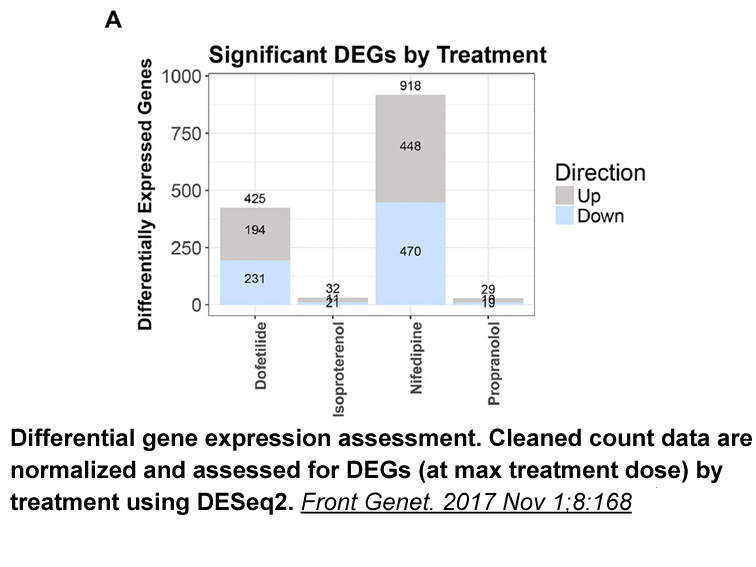
In recent years, there have been further significant developments that enhance an understanding of the role of adenosine in nociception. Thus, novel methods of recruiting adenosine A1Rs have been developed, and the role of adenosine A2A- and A3Rs in nociception has been further elaborated. Furthermo
-
Recently several groups including ours have started to use
2025-02-20
Recently, several groups, including ours, have started to use the C. elegans multi-dendritic PVD neurons as a model system to dissect the molecular mechanisms of dendrite development. During larval development, PVD elaborates complex and stereotyped dendritic arbors by sequentially adding primary (1
-
In the previous study we demonstrated the
2025-02-20
In the previous study, we demonstrated the importance of the mPFC postsynaptic 5-HT1A receptor in the sustained antidepressant effects, because a sustained antidepressant effect was obtained with intra-mPFC injection, but not systemic injection of 8-OH-DPAT, a 5-HT1A receptor agonist (Fukumoto et al
8538 records 42/570 page Previous Next First page 上5页 4142434445 下5页 Last page