Archives
- 2026-11
- 2026-10
- 2026-09
- 2026-08
- 2026-07
- 2026-06
- 2026-05
- 2026-04
- 2026-03
- 2026-02
- 2026-01
- 2025-12
- 2025-11
- 2025-10
- 2025-09
- 2025-03
- 2025-02
- 2025-01
- 2024-12
- 2024-11
- 2024-10
- 2024-09
- 2024-08
- 2024-07
- 2024-06
- 2024-05
- 2024-04
- 2024-03
- 2024-02
- 2024-01
- 2023-12
- 2023-11
- 2023-10
- 2023-09
- 2023-08
- 2023-07
- 2023-06
- 2023-05
- 2023-04
- 2023-03
- 2023-02
- 2023-01
- 2022-12
- 2022-11
- 2022-10
- 2022-09
- 2022-08
- 2022-07
- 2022-06
- 2022-05
- 2022-04
- 2022-03
- 2022-02
- 2022-01
Fer-1 br Introduction Lung cancer is the leading
2024-04-08
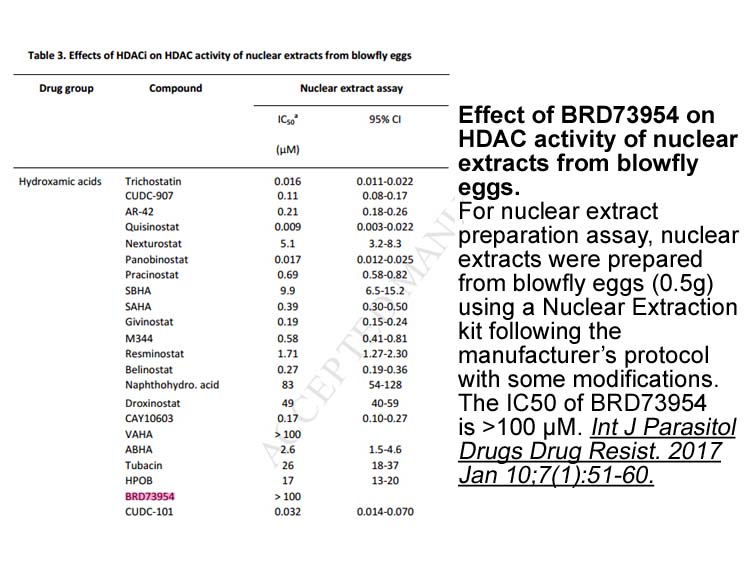
Introduction Lung cancer is the leading cause of cancer death worldwide and is one of the most refractory of solid tumors along with pancreatic cancer. Since 1975 there have been notable improvements in the 5-year survival rate of patients with lung cancer [1]. This improvement in survival is tho
Finally not only can ERs pair with different mGluRs
2024-04-07
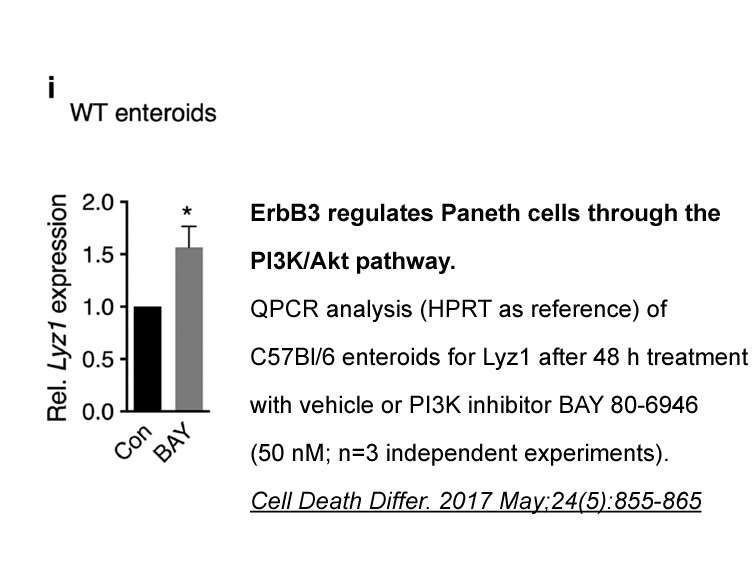
Finally, not only can ERs pair with different mGluRs in different neuraminidase inhibitor regions, but it is becoming increasingly clear that the same mGluRs can pair with distinct downstream signaling partners to have differential effects both within and across brain regions (Gross et al., 2016; M
We also showed that steatosis induced
2024-04-07
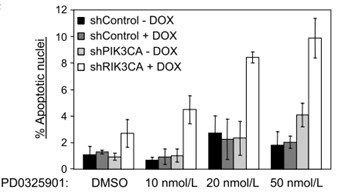
We also showed that steatosis induced an additional increase of ASK1 activation that was associated to the exacerbation of hepatocyte and liver damage and was unrelated to ER stress. Indeed, several settings, also different to ER stress, can induce ASK1 activation and many of them involve oxidative
br Regulatory mechanisms of ASK
2024-04-07
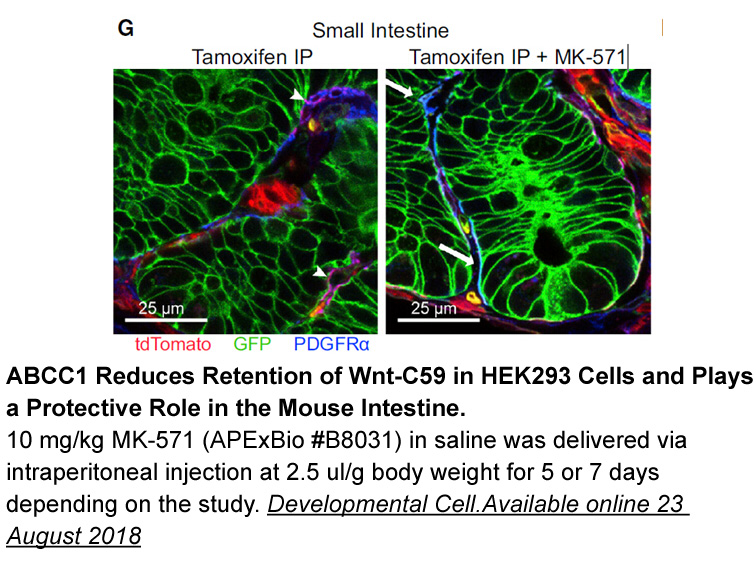
Regulatory mechanisms of ASK1 activity The functions of ASK1 in disease ASK1 inhibitor As mentioned above, ASK1 plays a pivotal role in the pathogenesis of various diseases; hence, an ASK1 inhibitor has therapeutic potential. Although inhibitors of the ASK1 downstream kinases p38 and JNK ar
br Experimental section br Acknowledgments br Introduction A
2024-04-07

Experimental section Acknowledgments Introduction Adipose is a major endocrine organ which releases a range of bioactive agents [1]. Selected adipose depots have been established as sites of sex steroid metabolism [1]. Subcutaneous and visceral adipose express high levels of aromatase, cap
We made a number of choices in the
2024-04-07
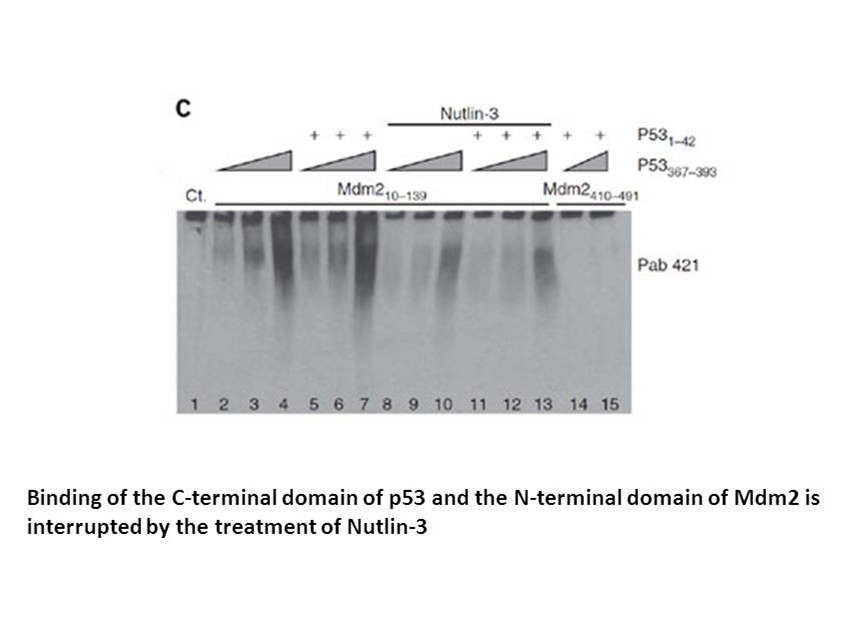
We made a number of choices in the original design of our experiments. First, we used only portions of the 5′ and 3′ regulatory elements from S. cerevisiae. The sequences of these regions were known [32] and our goal was to express the Pf-DHFR at low levels. In fact, our choice of only 600 bp of the
br Results br Discussion Using primarily an electrophysiolog
2024-04-07
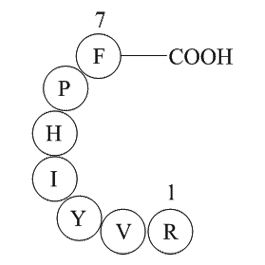
Results Discussion Using primarily an electrophysiological analysis of dysbindin-deficient hippocampal neurons in cultures and slices, we have uncovered a previously unreported role for dysbindin in enhancing CA3–CA1 AMPAR-mediated transmission. An earlier study, however, has reported a reduct
Compelling evidence now indicates that DR is a multifactoria
2024-04-07
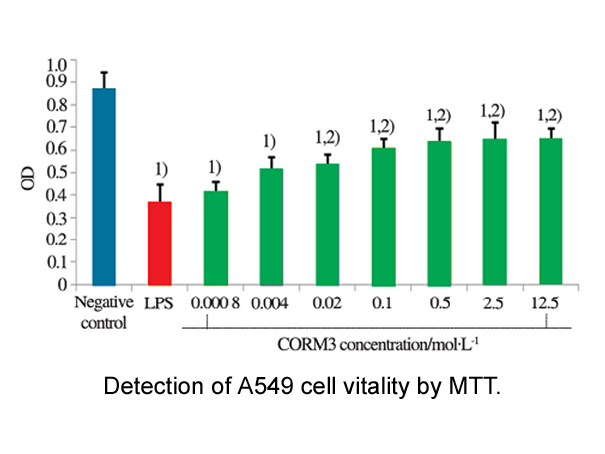
Compelling evidence now indicates that DR is a multifactorial disease that involves chronic inflammation at every stage, from initiation to progression and eventually to ischemia and NV [6,7]. Data from animal studies suggest that leukocyte-endothelial cell adhesion and entrapment (leukostasis) are
br Neurological development and BCAAs
2024-04-07
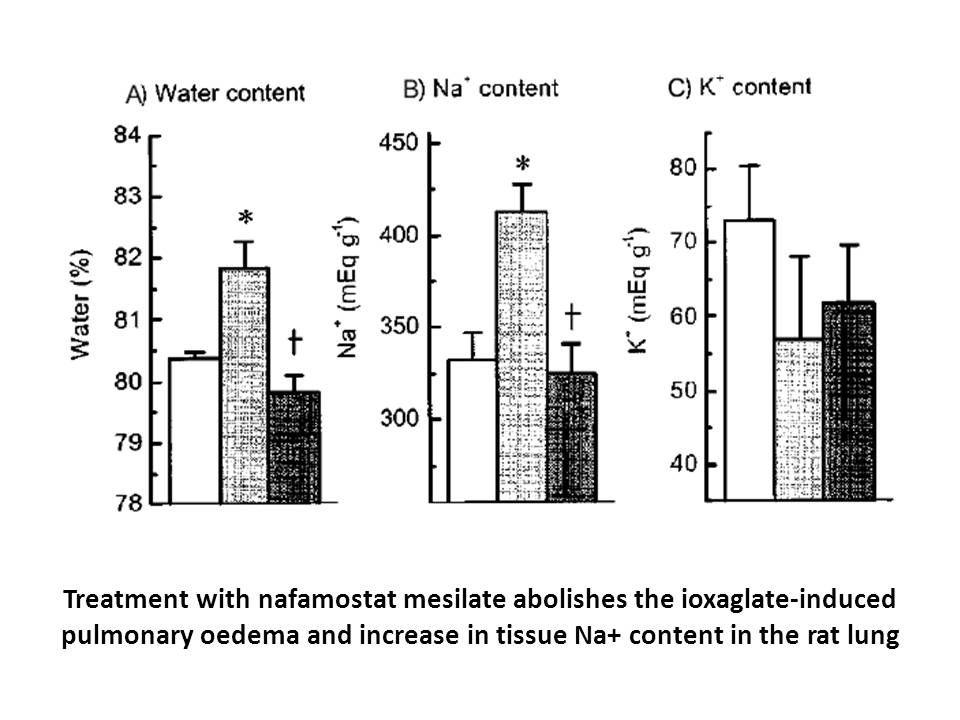
Neurological development and BCAAs Glutamate is an important excitatory neurotransmitter in the brain, and BCAAs (especially leucine) function to synthesize glutamate in astrocytes around neurons, since leucine enters the brain from the blood more rapidly than other Caspase-9 Colorimetric Assay K
br Discussion In a series of linear mixed
2024-04-07
Discussion In a series of linear mixed effects models of longitudinal neuroanatomical change, we have identified genetic risk variants associated with an increase in Cy7 NHS ester (non-sulfonated) shape asymmetry in AD. The closest genes associated with significant SNPs include BIN1 (rs6733839),
MT SGL encourages a individual feature selection based on
2024-04-07
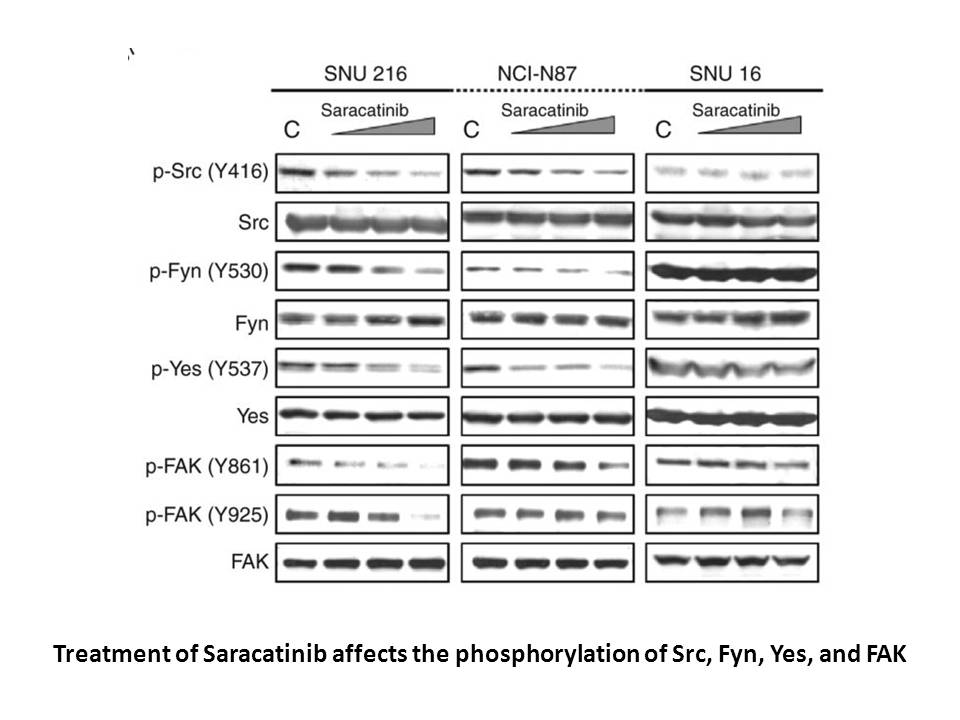
MT-SGL encourages (a) individual feature selection based on the utility of the features across all tasks with ℓ2,1-norm and (b) task specific group selection based on the utility of the group with G2,1-norm, i.e., Cy5.5 carboxylic acid (non-sulfonated) regions of interest (ROI) for that task. Unlik
Polycyclic aromatic hydrocarbons PAHs are abundant environme
2024-04-07
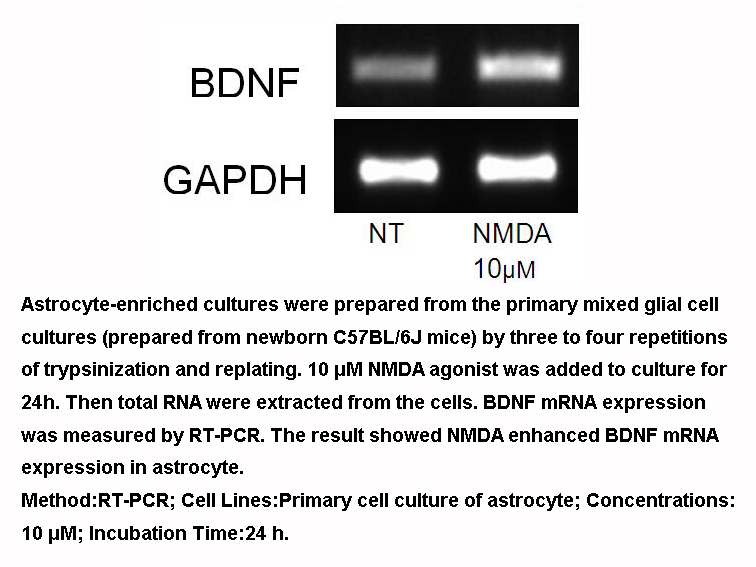
Polycyclic aromatic hydrocarbons (PAHs) are abundant environmental contaminants that are produced by the incomplete combustion of organic matter, combustion engines, residential heating, HC 067047 burning, and industrial activities (Gelboin, 1980; Phillips, 1999, Phillips, 2002). Some PAHs have bee
To validate the identified phosphorylation sites in the
2024-04-07
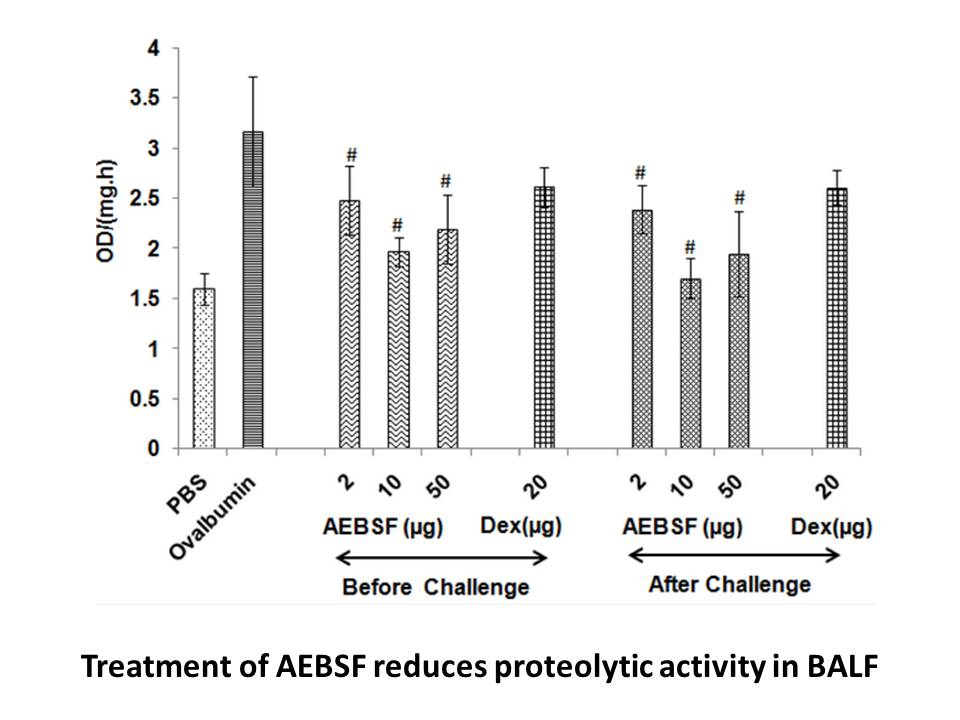
To validate the identified phosphorylation sites in the mouse heart, we analyzed HEK 293T etomoxir transfected with Adrb1 based on the hypothesis that protein residues phosphorylated both in vivo and in vitro are more likely to be physiologically relevant. All of the phosphorylation sites identifie
Adiponectin also suppresses inflammatory stimuli induced NF
2024-04-07
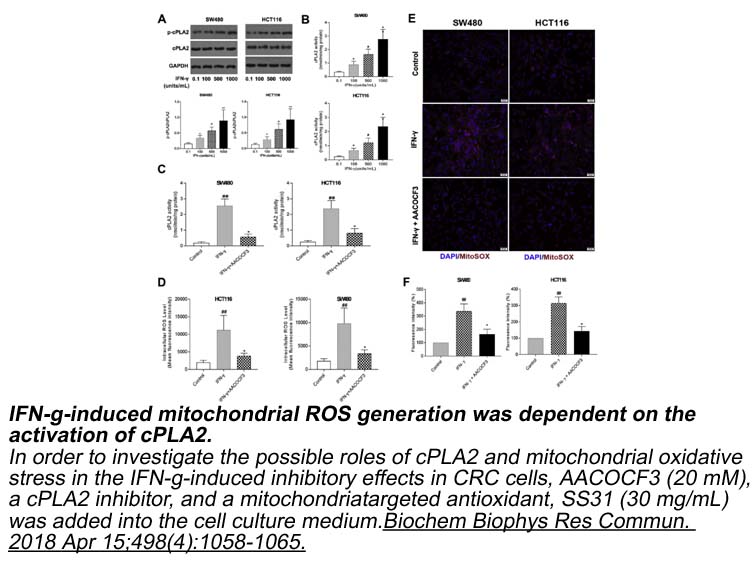
Adiponectin also suppresses inflammatory stimuli-induced NF-kappaB activation, which may significantly contribute to the anti-diabetic and anti-atherogenic effects of adiponectin (Ouchi et al., 2000). The downstream mediators of AdipoR1 and AdipoR2, RPPAR and AMPK increase inflammatory responses by
AMPK is an essential player in
2024-04-07
AMPK is an essential player in adiponectin signaling pathway that regulates energy metabolism. The fact that suppression of AMPK activity by compound C largely diminished candesartan-mediated inhibition of NFκB via blocking AT1 also suggests that the AT1-mediated effect is at least partly resulted f
8652 records 212/577 page Previous Next First page 上5页 211212213214215 下5页 Last page